What Is a Clearinghouse? Essential Role in Financial Markets
By Markets & Investing DeskUpdated Nov 10, 2026

Definition
A clearinghouse is an intermediary that becomes the buyer to every seller and the seller to every buyer, guaranteeing that both sides of a trade meet their obligations.
Key takeaways
- Netting means a member that bought 10,000 shares and sold 8,000 of the same stock receives only 2,000.
- A futures margin call requires restoring the full initial margin, so a $1,500 loss needs a $1,500 deposit.
- Retail investors reach a clearinghouse only through a broker that is a clearing member or pays a clearing firm.
- Losses beyond a member's margin hit its default fund share, then clearinghouse capital, then other members.
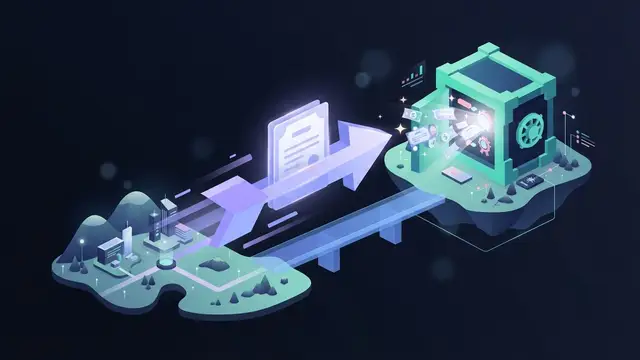
A clearinghouse is a financial intermediary that stands between the buyer and the seller of a trade and guarantees that both sides meet their obligations. Once a trade is executed, the clearinghouse becomes the buyer to every seller and the seller to every buyer, so neither party has to trust the other, only the clearinghouse. It confirms the trade, collects collateral, and makes sure the securities and cash end up where they belong.
How a Clearinghouse Works
A clearinghouse enters only after a trade is executed: your broker sends the order to an exchange, which matches a buyer and a seller. Clearing covers everything between execution and final settlement.
The work rests on four mechanisms:
- Novation. The original buyer-seller contract is replaced by two contracts, each with the clearinghouse as counterparty. If one side defaults, the other still gets paid.
- Netting. The clearinghouse offsets each member’s purchases and sales. A member that bought 10,000 shares of a stock and sold 8,000 of the same stock during the day receives only 2,000 shares and settles one net cash amount.
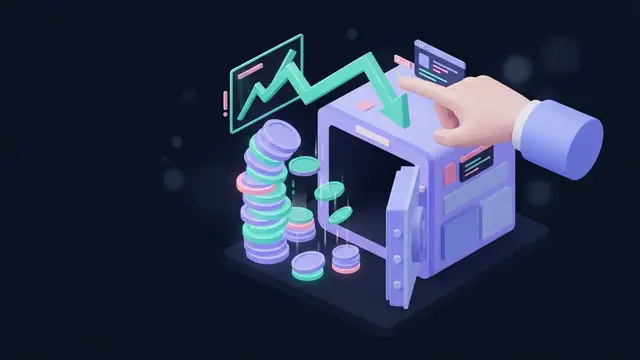
- Margin. Members post collateral (initial margin) and pay or receive daily gains and losses (variation margin), so losses cannot build up unpaid.
- Default resources. If a failed member’s margin does not cover its loss, the clearinghouse draws on the defaulter’s default fund contribution, then some of its own capital, then surviving members’ contributions. This sequence is called the default waterfall.
Other responsibilities include managing the delivery of assets to their new owners and reporting trade data.
Only clearing members, usually large banks and brokerage firms, deal with the clearinghouse directly. Retail investors reach it indirectly, through a broker that is either a clearing member itself or pays a clearing firm to handle this step.
Example: Margin in a Futures Trade
Futures markets depend heavily on clearinghouses because the contracts are leveraged: a trader controls a large position with a small deposit. Exchange members must clear their trades through the clearinghouse at the end of each session and post enough margin to cover their obligations.
Hypothetical example (figures chosen for illustration, not any exchange’s actual terms):
- A trader buys one futures contract with an initial margin of $6,000 and a maintenance margin of $5,000. The $6,000 is set aside as collateral and cannot fund other trades.
- On day one the contract loses $1,500, debited through variation margin, so account equity falls to $4,500.
- That is below the $5,000 maintenance level, so the trader gets a margin call. In futures, the call requires restoring the initial margin, so the trader must deposit $1,500, not just $500.
- If the trader does not pay, the position is closed before losses accumulate. When the trade closes, any remaining margin is returned.
The clearinghouse collects margin from the clearing member, and the clearing member (or broker) collects it from the customer. A clearing member stays liable to the clearinghouse even if its customer fails to pay. This layering removes transactional risk, the chance that one party backs out or cannot pay.
Clearinghouses in Stock and Options Markets
In equities, the clearinghouse makes sure the buying broker delivers cash and the selling broker delivers shares. In the United States, the NSCC clears trades and its sister company, the Depository Trust Company, holds the securities and records ownership transfers; both belong to the Depository Trust & Clearing Corporation (DTCC). U.S.-listed options are cleared by the Options Clearing Corporation (OCC).
Other examples of clearinghouses include CME Clearing for futures traded on CME Group exchanges, ICE Clear, LCH in London, Eurex Clearing in Germany, and the Canadian Depository for Securities (CDS). Euroclear, often named alongside them, mainly provides settlement and custody.
Who Pays a Clearinghouse and How It Makes Money
Clearinghouses earn revenue mainly from clearing fees that members pay per trade or per contract. Brokers usually build these costs into their own commissions or fees. Some clearinghouses also earn income on the cash collateral they hold. Ownership varies: some are owned by an exchange group and run for profit, others such as DTCC are owned by their industry users, and some operate on a not-for-profit or at-cost basis.
Limitations of a Clearinghouse
Central clearing concentrates counterparty risk in one institution, making the market safer while the clearinghouse is sound and more fragile if it is not:
- Concentration risk. A large member default can exhaust the defaulter’s margin and part of the shared default fund. In 2018, one trader’s losses in Nordic power futures ate into Nasdaq Clearing’s default fund, and other members absorbed part of the shortfall.
- Historical failures. The Paris commodity clearinghouse failed in the 1974 sugar futures crash, and the Hong Kong futures guarantee system needed a rescue in the 1987 crash.
- Procyclical margin. Margin requirements tend to rise when volatility spikes, forcing members to find cash exactly when markets are stressed.
- Coverage gaps. Some over-the-counter contracts still trade bilaterally without a central counterparty.
After the 2008 crisis, the Dodd-Frank Act required many standardized swaps to be centrally cleared. It also allows regulators to designate clearinghouses as systemically important financial market utilities, subjecting them to tighter risk rules and, in unusual and exigent circumstances, potential access to Federal Reserve emergency liquidity.
Clearinghouse vs. Broker, Exchange and Related Terms
- Broker vs. clearinghouse: A broker gives customers market access and routes their orders. The clearinghouse handles post-execution work, guaranteeing the trade without any relationship with the end customer.
- Exchange vs. clearinghouse: An exchange matches buyers and sellers and forms prices; the clearinghouse takes over once the match is made. Many exchange groups own a clearinghouse, but the functions are distinct.
- Clearing firm vs. clearinghouse: A clearing firm is a member that clears trades for itself and for other brokers. The clearinghouse is the central counterparty to all of those members.
- Clearing vs. settlement: Clearing calculates and guarantees who owes what. Settlement is the actual exchange of cash and securities, often recorded by a central depository.
- Automated Clearing House (ACH): In banking, ACH is a network for batch electronic payments such as direct deposits. It nets payments between banks but is not a central counterparty for securities trades.
FAQs
Does a clearinghouse protect me if my broker fails?
Not directly. The clearinghouse guarantees trades between clearing members, not the relationship between you and your broker. Protection for customer accounts at a failed U.S. brokerage comes from separate rules, such as segregation of customer assets and SIPC coverage for securities accounts.
The Bottom Line
Clearinghouses matter to anyone trading stocks, options or futures, because they remove the need to trust the party on the other side of a trade. Futures traders feel the system most directly through daily margin and margin calls. Central clearing makes markets safer while the clearinghouse stays sound, but it also concentrates risk in one institution, which is why regulators apply tighter rules to systemically important ones.