What Does Refinance Mean? How Refinancing Works
By Markets & Investing DeskUpdated Nov 10, 2026

Definition
A refinance replaces an existing loan with a new one on different terms. The new loan pays off the old balance, and the borrower then repays under a new rate, term and payment schedule.
Key takeaways
- A fixed-rate borrower can capture a drop in market rates only by refinancing into a new loan.
- A cash-out refinance turns home equity into cash but leaves a bigger loan and less equity in the home.
- The break-even point equals closing costs divided by monthly savings, such as $6,000 ÷ $147 ≈ 41 months.
- Refinancing federal student loans with a private lender permanently ends federal repayment and forgiveness benefits.
A refinance (often shortened to “refi”) is the replacement of an existing loan with a new one that has different terms. The new loan pays off the old balance in full, and from that point the borrower owes the new lender, or the same lender under a new contract, on the new interest rate, repayment period and payment schedule. In real estate, refinancing usually means replacing a mortgage, but the same idea applies to car loans, student loans, personal loans and corporate debt.
Refinancing does not edit the original agreement. It ends it. That is why a refinance requires a fresh application, a new credit review and, in most mortgage cases, a new set of closing costs.
How Refinancing Works
A refinance follows roughly the same path as the original loan:
- Set the goal. The borrower decides what should change: a lower rate, a smaller payment, a shorter payoff, cash from home equity, or one loan instead of several.
- Apply. The application can go to the current lender or a new one. Shopping more than one lender lets the borrower compare rates and fees on the same terms.
- Underwriting. The lender checks credit, income, existing debts and, for a mortgage, the property. An appraisal often sets the home’s current value, which determines how much can be borrowed.
- Closing. The borrower signs the new loan documents and pays any closing costs, either in cash or by rolling them into the new balance.
- Payoff. The new loan’s funds pay off the old loan. The old account closes and payments begin on the new one.
The interest-rate environment is the biggest driver of refinancing activity. Rates move with monetary policy, the economic cycle and competition among lenders, so borrowers who locked in a loan when rates were high may be able to replace it with a cheaper one when rates fall. Variable-rate loans adjust on their own, but a fixed-rate borrower can only capture a rate drop by refinancing. Rate is not the only trigger, though. A borrower whose credit score has improved since the original loan may qualify for a better rate even if market rates have not moved, and others refinance to leave an adjustable-rate loan before it resets.
Types of Refinancing
Rate-and-term refinancing
The new loan replaces the old one for roughly the same balance, but with a different interest rate, a different term, or both. Typical goals are a lower rate, a shorter term to pay less total interest, or a switch between a fixed-rate mortgage and an adjustable-rate mortgage (ARM). Moving from an ARM to a fixed rate trades the chance of future rate decreases for a predictable payment.
Cash-out refinancing
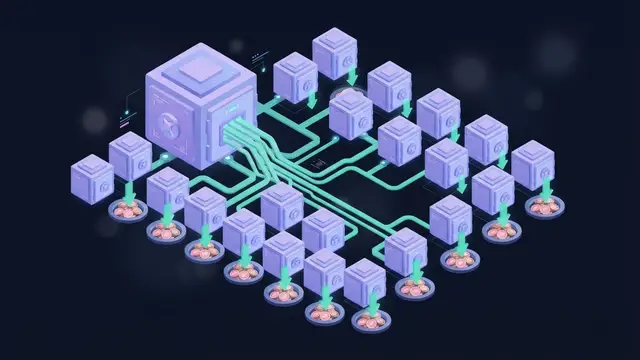
The borrower takes a new loan larger than the current balance and receives the difference in cash. This works when the collateral, usually a home, has risen in value or has been paid down enough to leave substantial equity. The borrower keeps the asset while turning part of its value into cash, often used for renovations, education or paying off other debts. The trade-offs are a bigger loan, less equity and, often, a higher interest rate than a rate-and-term refinance. Lenders cap how much equity can be withdrawn based on the loan-to-value ratio.
Cash-in refinancing
The opposite of a cash-out. The borrower brings money to closing to reduce the balance. A lower balance means a lower loan-to-value ratio, which can help the borrower qualify for a better rate, remove mortgage insurance, or simply shrink the monthly payment.
Consolidation refinancing
The borrower takes one new loan and uses it to pay off several existing debts. It saves money when the new rate is lower than the weighted average rate on the debts being replaced. Consolidation also simplifies repayment to a single payment. If the new loan has a much longer term than the old debts, however, total interest can still rise even at a lower rate.
Example: How a Mortgage Refinance Changes the Numbers
The following figures are hypothetical and assume a fixed-rate, fully amortizing loan with no prepayment penalty.
A homeowner owes $250,000 on a mortgage at 7% with 20 years left. The monthly principal-and-interest payment is about $1,938, and the remaining payments total about $465,180.
Rates fall, and a lender offers 6%. The homeowner compares two refinance options:
- Option A: 6% for 20 years. The payment drops to about $1,791, a saving of roughly $147 a month. Remaining payments total about $429,860, roughly $35,300 less than keeping the current loan.
- Option B: 6% for 30 years. The payment drops further, to about $1,499, a saving of roughly $439 a month. But payments now run 10 years longer and total about $539,600, roughly $74,400 more than keeping the current loan.
Option B frees up more cash each month yet costs far more overall, because a lower rate applied over a longer period can produce more total interest than a higher rate over a shorter one. The borrower could take Option B and voluntarily pay extra each month, but the contract would only require the lower payment.
Closing costs change the picture again. Assume Option A carries $6,000 in fees. The break-even point is the cost divided by the monthly saving:
Break-even (months) = closing costs ÷ monthly savings = $6,000 ÷ $147 ≈ 41 months
If the homeowner sells or refinances again before about three and a half years, the fees outweigh the savings. Rolling the $6,000 into the loan instead of paying it at closing avoids the upfront outlay but adds interest on that amount for the life of the loan.
The monthly payment is only one measure. Comparing the APR of each offer, which folds certain fees into the rate, and the total of remaining payments under each option gives a fuller view.
Why Borrowers Refinance
Beyond changing the rate, the term or the rate type, or tapping home equity, borrowers also refinance to remove a co-borrower, for example after a divorce, since the new loan can be written in one name if that borrower qualifies alone. Another reason is to drop mortgage insurance once equity has grown enough.
Consumer debts that are often refinanced include mortgages, auto loans and student loans. Student loans deserve a specific caution: refinancing U.S. federal student loans with a private lender converts them into private debt, and the borrower permanently loses federal benefits such as income-driven repayment plans and federal forgiveness programs.
Costs and Limitations
- Closing costs and fees. Mortgage refinances typically involve appraisal, origination, title and recording costs. Auto and personal loans may carry origination fees.
- Prepayment penalties. Some loans charge a fee for early payoff, which adds to the cost of refinancing.
- Term reset. Starting a new 30-year mortgage several years into the old one restarts the amortization clock. Early payments go mostly to interest, so equity builds slowly again.
- Qualification risk. A lower credit score, reduced income or a drop in the home’s appraised value can lead to a worse offer or a denial.
- Missing future rate drops. A fixed rate protects against increases, but the borrower would need to refinance again, and pay costs again, to benefit from further declines.
Refinancing vs. Related Terms
Refinancing vs. financing. Financing is borrowing to pay for something in the first place, such as a home purchase. Refinancing replaces debt that already exists. No new asset is bought (apart from any cash taken out).
Refinancing vs. loan modification. A modification changes the terms of the existing loan, usually for a borrower in hardship who could not qualify for a new loan. A refinance pays the old loan off with a new one and requires fresh approval.
Refinancing vs. recasting. In a recast, the borrower pays a lump sum toward principal and the lender recalculates the payment on the same loan, rate and term. A cash-in refinance also reduces the balance, but creates a new loan and can change the rate.
Cash-out refinance vs. home equity loan or HELOC. A cash-out refinance replaces the first mortgage entirely. A home equity loan or line of credit is a second loan layered on top, which leaves the original mortgage and its rate untouched.
Corporate Refinancing
Companies refinance to cut interest expense, extend maturities or restructure their balance sheets. A common method is redeeming older callable bonds when the terms allow and issuing new bonds at a lower coupon. Businesses also refinance bank loans and commercial property mortgages when market rates fall or their credit profile improves. Refinancing can be part of a financially distressed company’s debt restructuring, where lenders agree to new terms to avoid default.
The Bottom Line
To refinance is to replace a loan with a new one on different terms. Each benefit, whether a lower rate, a new payoff timeline, released equity or combined debts, has a cost attached: closing fees, a possible term reset, or more total interest. The deciding figures are the new rate, the total of remaining payments under each option, and how long the savings take to cover the costs.
FAQs
Does refinancing hurt your credit?
Usually only slightly and temporarily. The lender's hard credit inquiry and the new account can lower a score a little for a short period. Over time, on-time payments on the new loan, and lower balances if the refinance reduces debt, can help the score.
Can you refinance more than once?
Yes. There is no general legal limit on how many times a loan can be refinanced, but each refinance carries its own costs, and some lenders or loan programs require a waiting period after the previous loan before they will approve a new one.