The Panama Papers Scandal: Who Was Exposed and Consequences
By Markets & Investing DeskUpdated Nov 10, 2026
Definition
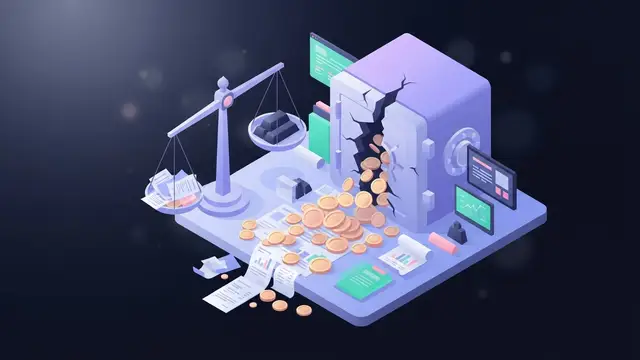
The Panama Papers are 11.5 million documents leaked from the Panama law firm Mossack Fonseca in 2016, exposing over 214,000 offshore entities tied to leaders, officials and the wealthy.
Key takeaways
- The leak covered about 2.6 terabytes of Mossack Fonseca records dated from the 1970s to spring 2016, which made it the largest data leak on record at the time.
- An anonymous source calling themselves "John Doe" offered the files to SZ in 2015 and, according to the paper, asked for no payment.
- SZ and the International Consortium of Investigative Journalists (ICIJ) spent about a year analyzing the encrypted documents before publishing.
- Owning an offshore company is generally legal, and most of the documents showed no wrongdoing. Reporters did find shell companies set up through the firm that had been used for fraud, tax evasion and evading sanctions.
- Mossack Fonseca shut down in March 2018. Criminal outcomes were mixed, with several U.S. convictions but a 2024 acquittal in Panama of the firm's surviving co-founder.
The Panama Papers are 11.5 million confidential documents leaked from Mossack Fonseca, a Panama-based law firm that was then the world’s fourth-largest offshore law firm. The German newspaper Süddeutsche Zeitung (SZ) published the first stories on April 3, 2016. The files exposed more than 214,000 offshore entities connected to wealthy individuals, public officials and companies in 200 countries. The Panama Papers scandal is what followed: resignations, criminal investigations, prosecutions and the eventual closure of the firm.
Understanding the Panama Papers Scandal
Offshore structures are entities registered in one jurisdiction for people or businesses based somewhere else. They usually sit in places with low taxes, light reporting rules or strong secrecy. A law firm like Mossack Fonseca earned fees for incorporating these companies, supplying the paperwork and keeping them in good standing.
The leak mattered because it turned private client records into evidence. Before 2016, who stood behind a given shell company was usually hidden from the public and often from tax authorities. The files tied entities to named people, including a dozen current or former world leaders, 128 other public officials and politicians, and hundreds of celebrities, business owners and other wealthy individuals.
The name comes from the firm’s home base and from where the leak originated. Panama’s government objected, saying the label unfairly blamed the country for one private firm’s conduct. Some outlets used “Mossack Fonseca Papers” instead, but the original name stuck.
How It Works
The scandal centered on how a company can separate legal ownership from beneficial ownership:
- Incorporation. A client pays an intermediary to register a company in an offshore jurisdiction.
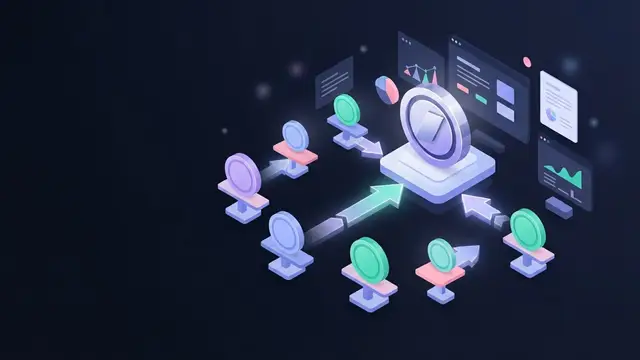
- Layering. That company can own other companies, bank accounts, property or investments, sometimes through several entities in different countries.
- Concealment of the beneficial owner. Public records may show only the registered agent or appointed directors. The person who actually controls and benefits from the assets does not appear.
- Use of the structure. The entity can hold assets for ordinary reasons, such as international business, estate planning or privacy. It can also hide income from tax authorities, move proceeds of fraud or bribery, or let sanctioned parties keep trading.
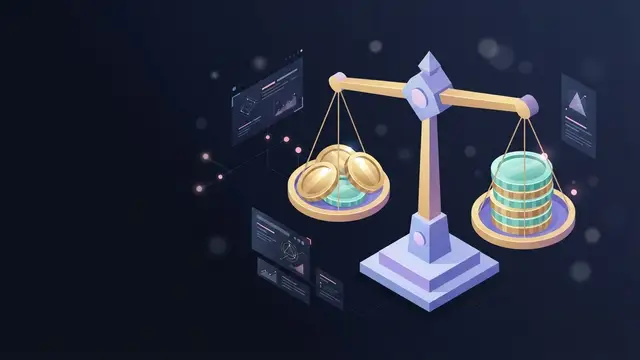
The structure is the same in the lawful case and the unlawful one. What makes it illegal is the purpose and whether the owner meets reporting obligations at home. This is why the documents alone could not prove a crime. Investigators still had to show that a specific person failed to declare income, laundered money or broke sanctions.
Why It Matters
The political fallout came quickly. On April 4, 2016, one day after publication, Iceland’s Prime Minister Sigmundur Davíð Gunnlaugsson resigned following reports linking him to an offshore company. In Pakistan, inquiries that grew out of the leak led the Supreme Court to disqualify Prime Minister Nawaz Sharif from office in 2017.
The ICIJ also opened the data to the public. From May 9, 2016, all 214,488 offshore entities named in the Panama Papers could be searched in its Offshore Leaks Database, so journalists, researchers and authorities could check names directly.
The legal consequences took years and varied by country:
- Germany issued arrest warrants for founders Jürgen Mossack and Ramón Fonseca on charges of tax evasion and forming a criminal organization. Panama’s extradition rules prevented their transfer to Germany.
- Panama charged the two founders in connection with the leak and with a separate bribery case involving a Brazilian company. They spent about two months in jail before being released on bail. Fonseca died in May 2024. In June 2024, a Panamanian judge acquitted Mossack and 27 other defendants of money laundering charges tied to the Panama Papers.
- United States prosecutors convicted taxpayer Harald Joachim von der Goltz of wire fraud, tax fraud, money laundering and other offenses, and he received a four-year federal prison sentence. His accountant, Richard Gaffey, pleaded guilty to eight charges and was sentenced to more than three years. His son, Joachim Alexander von der Goltz, pleaded guilty to three charges and received time served plus three years of supervised release.
Mossack Fonseca ended operations in March 2018. It said it would keep cooperating with authorities on any open investigations.
Example
Hypothetical example, for illustration only. A business owner in Country A sells a company and receives a large payment. Through an intermediary, she registers Company X in an offshore jurisdiction, and the sale proceeds go to Company X’s bank account. The registered directors are local appointees, so her name does not appear on the corporate record.
- Lawful version: She reports Company X to her home tax authority, declares the income and pays the tax due. The offshore company adds cost and privacy but does not reduce her legal obligations.
- Unlawful version: She keeps Company X out of her tax filings and treats the money as if it never existed. This is tax evasion, and the hidden link between her and Company X is what makes it work.
Limitations
The leak has clear limits as evidence. Appearing in the files is not proof of wrongdoing. The records also cover only one firm’s clients, so offshore structures arranged through other providers do not appear at all.
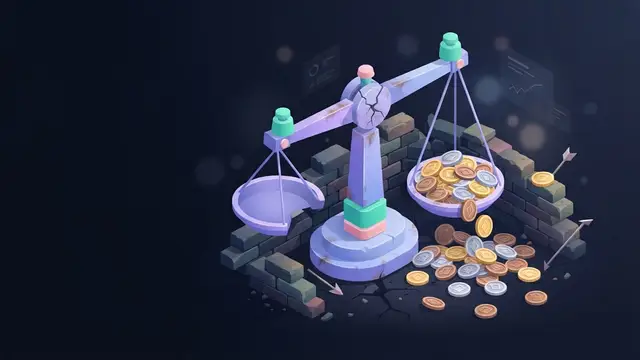
Turning the documents into convictions proved difficult. Courts need admissible evidence, jurisdiction and, for foreign defendants, extradition. The Panama acquittals and the failed German arrest warrants show how those requirements can stop a case even after the facts are public.
Panama Papers vs. Related Leaks
- Tax avoidance vs. tax evasion. Avoidance means arranging affairs to legally reduce tax. Evasion means illegally hiding income or assets. The Panama Papers documented structures that could serve either purpose.
- Paradise Papers (2017). A later ICIJ-coordinated leak based mainly on records from a different offshore law firm and corporate registries. It was not part of the Mossack Fonseca files.
- Pandora Papers (2021). A larger leak of more than 12 million documents drawn from many offshore service providers rather than one firm. It again named world leaders, politicians, executives, celebrities and billionaires.
The Bottom Line
The Panama Papers matter to anyone using or studying offshore structures, since they showed how shell companies can hide a beneficial owner. Holding an offshore company is generally legal when the owner declares it and meets home reporting rules. Being named in the files did not prove wrongdoing, and court outcomes stayed mixed, with U.S. convictions but a 2024 acquittal in Panama.