What Are the Pros and Cons of Raising the Minimum Wage?
By Markets & Investing DeskUpdated Nov 10, 2026

Key takeaways
- The federal minimum has been $7.25 since 2009 and does not adjust for inflation without new legislation.
- A 2023 CBO scenario of $17 by 2029 would affect more than 23 million workers by 2032, directly or indirectly.
- The same CBO analysis estimated job losses rising to a median of roughly one million by 2033.
- Phasing in an increase gives employers time to plan, while a sudden large jump raises the risk of cut hours.
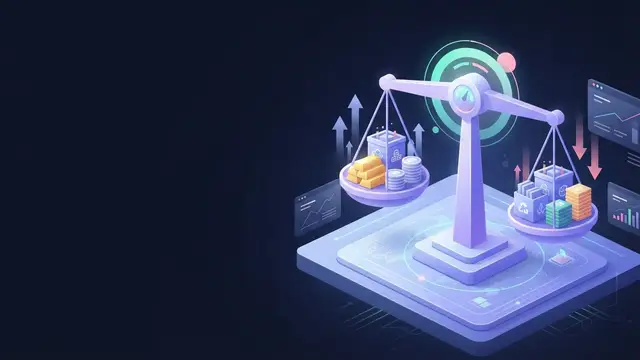
The main cons of raising the minimum wage are higher prices, fewer jobs or hours for some workers, and more competition for entry-level positions. The main pros are higher pay for low-wage workers, less reliance on public assistance, better retention and morale, and more consumer spending. Whether the benefits outweigh the costs depends on how large the increase is, how fast it takes effect, and how high it sits compared with local wages.
Understanding the Minimum Wage
The minimum wage is the lowest hourly rate an employer is legally required to pay a covered worker. In the United States, the federal minimum was created by the Fair Labor Standards Act (FLSA) of 1938 at $0.25 per hour. Congress has amended the FLSA several times to raise it, most recently to $7.25 in 2009.
The federal rate is not automatically adjusted for inflation. Each increase requires new legislation, which explains why it can stay unchanged for long stretches even as prices rise.
States and some cities set their own minimums. About 30 states and Washington, D.C., have approved rates above the federal level. Where a state rate is higher, covered workers get the higher rate. Where a state has no minimum wage law, or sets one below $7.25 (Georgia and Wyoming have statutory minimums of $5.15), the federal rate applies to most workers covered by the FLSA.
A minimum wage is not the same as a living wage, which is the income needed to cover essential needs such as housing, food and transportation in a given area. Much of the debate is about the gap between the two.
Who doesn’t qualify?
Not every worker is covered by the federal minimum. Groups that may fall outside it, or receive a lower rate, include:
- Independent contractors
- Exempt salaried employees
- Tipped employees, who can be paid a lower cash wage on the expectation that tips make up the difference
- Some students, seasonal workers and family workers
- Some farm workers and employees of certain small businesses
State laws often provide broader coverage or higher pay than the federal rules.
Pros of Raising the Minimum Wage
Higher living standards for low-wage workers. The central argument is that a higher wage floor gives workers enough income to keep up with a rising cost of living. Each year the federal rate stays at $7.25, inflation reduces what that wage can buy.
Reach across the workforce. The 2023 CBO analysis modeled raising the federal minimum incrementally to $17 per hour by 2029 and indexing it to inflation after that. It estimated that 11.3 million workers would be directly affected and another 12.4 million could be affected, for a total above 23 million by 2032. The second group matters because employers often raise pay for workers earning slightly above the new minimum to maintain pay differences between roles.
Less need for public assistance. Supporters argue that higher earnings would lift some families out of poverty and reduce federal and state spending on aid for low-income households.
Better morale and lower turnover. Employers often struggle to motivate low-wage staff who feel their work does not keep them out of poverty. Higher pay can improve morale, which can translate into longer tenure and lower hiring and training costs. Workers who stay longer also have more chances to advance.
Support for consumer spending. Low-wage workers tend to spend most of any extra income. A higher minimum puts more money in their pockets, and that money flows to retailers and other businesses. This is the basis of the argument linking minimum wages and economic growth.
Lawmakers have tried repeatedly to raise the federal rate. The House of Representatives passed an amended version of the Raise the Wage Act of 2019, which would have phased the minimum up to $15 by 2025, but the bill died in the Senate. The minimum for federal contract workers was separately raised to $15 per hour by executive action under President Joe Biden.
Cons of Raising the Minimum Wage
Higher prices. Labor is a major cost for many businesses. Opponents argue that a higher minimum can push up wages more broadly, as pay above the floor is adjusted too, which raises operating expenses. Businesses may pass those costs on through higher prices. If prices rise enough, part of the gain in workers’ paychecks is offset by a higher cost of living.
Job losses or fewer hours. If labor becomes more expensive, some employers may hire fewer people, cut hours, or eliminate roles to protect profitability. The same CBO analysis that projected income gains also estimated about 230,000 jobs lost by 2027, rising to a median estimate of roughly one million by 2033. Both sides of the debate rely on the same study: it shows a trade-off rather than a one-sided result.
More competition for entry-level jobs. A less obvious effect is that a higher wage can attract more experienced or overqualified applicants to positions that would otherwise go to young or inexperienced workers. That could make it harder for new entrants to get a first job and build the experience that leads to higher pay later.
Automation and other substitutions. Critics also warn that higher labor costs can encourage firms to replace some tasks with machines or self-service systems, especially where the cost of the equipment is now easier to justify.
Competitiveness. Firms facing higher costs than rivals in other regions or countries may lose business, which can feed back into fewer jobs.
Would an Immediate Increase Have Negative Consequences?
It could, and the risk grows with the size of the jump. The effects listed above all depend on how employers respond to a sudden change in labor costs. When an increase takes effect immediately:
- Businesses have no time to adjust prices gradually, renegotiate contracts or reorganize schedules, so short-term responses such as cutting hours or pausing hiring become more likely.
- Firms with thin margins, including many small businesses, have less room to absorb the cost while they adapt.
- A single federal jump hits low-wage regions harder than high-wage ones, because $7.25 is already well below prevailing pay in many cities but close to market wages in others.
This is why U.S. proposals have generally been phased in. The Raise the Wage Act would have stepped up to $15 over several years, and the CBO scenario reached $17 incrementally by 2029. Phasing lets employers plan, and indexing to inflation afterward avoids the pattern of long freezes followed by large catch-up increases.
A small immediate increase is a different case from a large one. Raising the floor modestly in a market where most employers already pay near that level changes little for them. Raising it sharply in an area where many workers earn the old minimum changes costs for a large share of local businesses at once. How strongly employment responds also depends on how sensitive employers’ demand for labor is to its price, a concept explained in elastic vs. inelastic demand.
How the Minimum Wage Affects the Economy
The minimum wage is studied in both branches of economics. Its effect on a single employer’s hiring decision is a microeconomic question, while its effect on total spending, prices and employment is macroeconomic. The difference between microeconomics and macroeconomics explains why the same policy can look different at each level.
Is the Minimum Wage the Same for All Workers?
No. Minimum wage laws often set different rates for different groups, such as adults and minors, workers in specific industries, or tipped employees like restaurant servers. Coverage and rates also differ by state and city, so two workers doing the same job in different places can have different legal minimums.
Facts vs. Values in the Debate
Part of the disagreement is about evidence and part is about values. A statement such as “raising the minimum wage leads to higher youth unemployment” is a positive statement: it makes a claim that can be tested with data, whether or not it turns out to be true. A statement such as “the government should raise the minimum wage” is normative: it expresses a judgment about what ought to happen. The positive vs. normative economics guide covers this distinction in more detail.
Values also explain why some people argue that there should be no minimum wage at all. Someone with an individualist or free-market view would generally prefer that wages be set by agreement between employers and workers, and so would lean toward keeping the minimum low or eliminating it. Others see a wage floor as a basic protection against low pay. Both positions can draw on the same data about prices and employment while weighing the outcomes differently.
Do All Countries Have Minimum Wage Laws?
No. Minimum wage laws are common, but not every country has one. Whether a country sets a minimum, and at what level, depends on its economic structure, labor policies and social priorities. Some countries rely on collective bargaining between unions and employers instead of a single statutory rate.
The Bottom Line
The minimum wage debate matters most to low-wage workers, small businesses with thin margins, and lawmakers weighing higher pay against possible job losses. The evidence points to a trade-off, and the outcome depends on the size of the increase, its speed, and local wage levels. Gradual increases followed by inflation indexing reduce the strain on employers and avoid long freezes followed by large catch-up raises.